
01 What is Reverse UV?
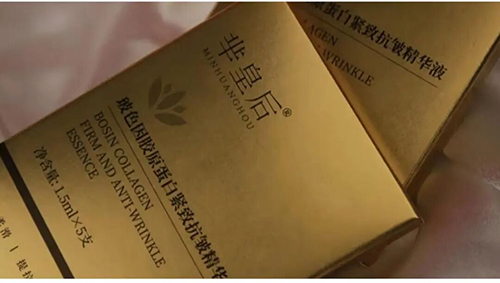
It is a varnishing technique combining partial gloss coating and partial matte finishing to create high contrast on partial graphics and texts.
It leverages precise register between varnishing and printing, delivering mirror-like glossy areas alongside dull matte or grainy non-gloss sections on a single printed piece.
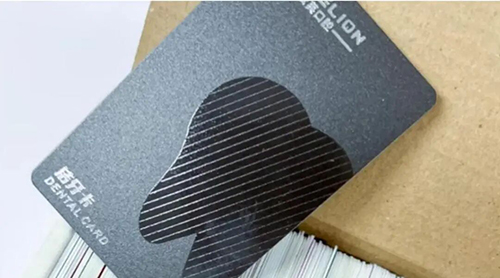
02 What is Frosted UV?
It is a screen-print UV process. The surface receives special treatment to produce a whitish appearance and frosted tactile feel.
This process endows printed products with distinctive visual and haptic characteristics.
03 Differences Between Reverse UV and Frosted UV
Visual Appearance & Surface Effect
Reverse UV: Glossy surface with a slight oily finish; the coating can be scraped off easily with a blade. It improves the print’s lightfastness, heat resistance and moisture resistance, and can partially replace film lamination.
Frosted UV: Pale whitish surface with distinct frosted texture, also scratchable with a blade. The frosted finish greatly upgrades the overall visual quality and hand feel of prints.
Application Scenarios
Reverse UV: Mainly used for cosmetic boxes and similar rigid packaging. It addresses drawbacks of conventional full varnish to create striking contrast, resulting in finer aesthetics and superior print quality.
Frosted UV: Widely adopted for products requiring exclusive visual and tactile effects, such as electronic device casings, buttons and other components to elevate premium texture.
Printing Glossary
register 套印对位
lightfastness 耐光性
film lamination 覆膜
screen-print UV 丝印 UV
haptic feel /tactile feel 触感