
Packaging Process Analysis
Differences Between Lamination and Varnishing
▶ What is Lamination?
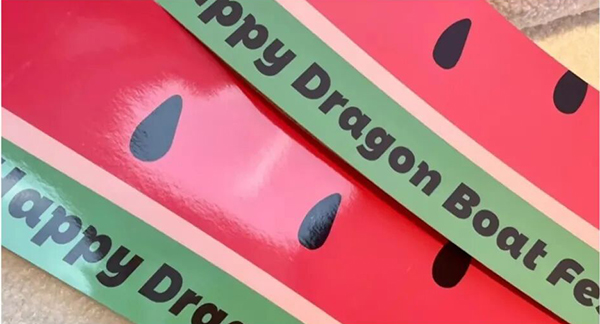
Lamination is a processing technology that applies a layer of transparent plastic film to the surface of printed materials. The film is bonded to the printed surface using a laminator, and firmly attached through heat, pressure, and other methods to form a protective layer.
Common types include gloss lamination, matte lamination, scratch-resistant lamination, holographic lamination, soft-touch lamination, etc. Common lamination materials include OPP, PET, PE, etc.
▶ What is Varnishing?
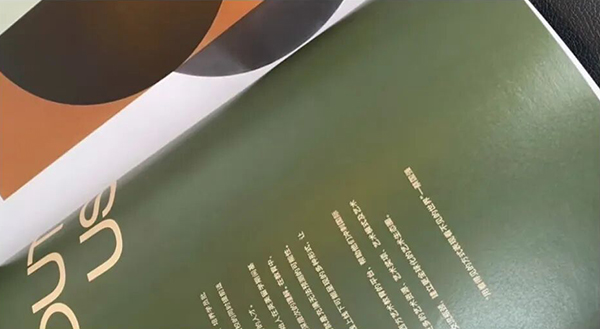
Varnishing is a processing method that applies a transparent coating (varnish) to the surface of packaging materials or printed products.
Through methods such as coating or spraying, the varnish is evenly distributed on the material surface to form a protective layer, improving the gloss, abrasion resistance, and water resistance of the printed product.
▶ Differences Between Lamination and Varnishing
1. Material & Application Method Differences
Lamination: A thin plastic film is bonded to the printed surface using coating machinery or heat presses.
Varnishing: A transparent ink or coating is applied to the printed surface via roller coating, spraying, or brush coating.
2. Process & Finish Differences
Lamination: Offers a wide range of gloss options, including high-gloss and matte finishes.
Varnishing: Typically provides a more uniform gloss level, determined by the specific properties of the selected ink or coating.
3. Application Differences
Lamination: Widely used in various packaging and print applications, such as books, catalogs, and packaging boxes.
Varnishing: Primarily used in food packaging, especially for products where improved surface feel and texture are required.